There’s a quiet but powerful shift happening on the global stage. For years now, we’ve seen countries like China, India, Brazil, and others deepen their influence across trade, finance, and technology.
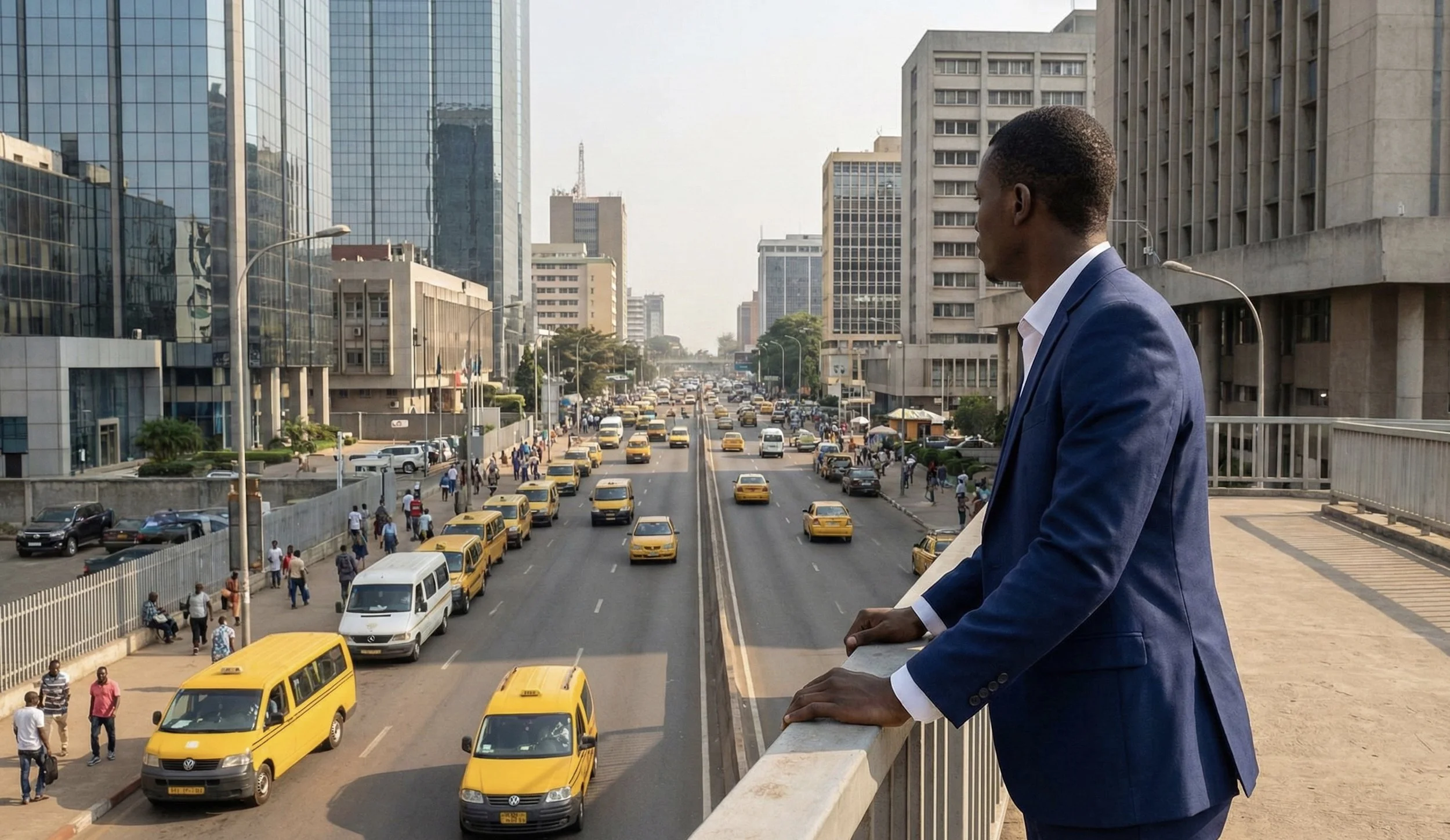
This isn’t a sudden emergence, it’s a long arc that’s been building for over a decade. What’s changing now is the momentum. BRICS+, alternative payment systems, and new global institutions are no longer ideas in development, they're becoming real choices that shape where capital flows, who sets the rules, and how economies grow. And Africa? Africa is no longer sitting on the sidelines. It’s becoming a key player in this unfolding multipolar world, strategically, economically, and culturally.
But what does this mean for you, not as a policymaker or an economist, but as someone thinking about your financial future, your family’s legacy, and where to invest with confidence?
Let’s break it down.
What Is a multipolar world, and why should you care?
In plain terms, a multipolar world is one where power, economic, financial, and political, is spread across several centres rather than dominated by one or two countries. This shift has been brewing for a long time, but today we’re seeing it accelerate. Countries that were once considered “emerging markets” are now shaping trade agreements, forming alliances like BRICS+, and building alternative financial systems that reduce dependency on the West.
For investors and everyday people, this means the rules of the game are evolving. It’s no longer just about what happens in New York or London. Decisions made in Johannesburg, Abu Dhabi, Shanghai, or São Paulo are having ripple effects across the world, and across your portfolio, whether you realise it or not.
Africa’s growing voice in the global conversation
Africa is not new to the global investment story, but it’s often been framed as a resource-rich but risk-heavy frontier. That narrative is shifting. Through initiatives like the African Continental Free Trade Area (AfCFTA), regional collaboration is deepening. Local capital markets are expanding. African sovereign wealth funds and development banks are gaining traction. Countries are asserting more control over how resources are managed, how infrastructure is financed, and how trade relationships are structured.
This matters because it means African economies are not just reacting to global trends, they’re shaping them. For local and diaspora investors, this opens up opportunities to participate in Africa’s growth on fairer, more locally aligned terms.

So what does this mean for you?
Let’s bring this down to earth. How does all this talk of global realignment, BRICS+, and trade blocs affect someone trying to build wealth, protect their family’s future, or invest wisely?
Here’s the connection,
More investment options: As capital flows diversify, new products, funds, and regional investment vehicles are emerging. This gives everyday investors more ways to access growth, especially in sectors tied to Africa’s strengths like agriculture, logistics, tech, and real estate.
Currency Considerations: If you’re managing cross-border finances, saving in foreign currencies, or sending money internationally, the shift toward alternative currencies and local financial systems will start to affect transaction costs, risk, and planning strategies.
More localised growth: As Africa strengthens regional trade, businesses are scaling within the continent, creating jobs, increasing demand for infrastructure, and supporting entrepreneurship. This can positively impact everything from local real estate values to startup ecosystems.
Long-term stability through diversity: Multipolarity adds resilience to the global system. It spreads out the risk and reduces overreliance on any single region. For you, that could mean steadier markets, more balanced global shocks, and investment opportunities with better alignment to your values.
Investing with intention in a changing world
At JA Group, we work with clients who are not just looking for quick wins, they’re thinking generationally. They want to understand how the world is changing and how to position themselves with clarity and conviction.
So here’s our take on how to invest in this new environment,
Focus on the big picture: Don’t get caught up in daily headlines. Think about the trends shaping the next 10, 20, or 30 years: urbanisation, digital infrastructure, regional trade, and sustainable energy
Know your region: Africa is not a monolith. Countries, sectors, and cities offer different risks and rewards. Understanding the local context is just as important as understanding global trends.
Diversify, but stay grounded: Global diversification matters, but so does investing in what you know and where you can have real insight. Often, your edge lies in understanding the challenges and opportunities closest to home.
Build with purpose: Wealth isn't just about returns, it’s about impact. The best investments are those that align with your values and contribute to something lasting, whether that’s community growth, job creation, or environmental stewardship.
Conclusion
Africa isn’t waiting for a seat at the global table, it’s helping to design the next table altogether. And in a world that’s no longer defined by a single centre of power, this is a strategic advantage.
For investors, whether you're just getting started or managing multi-generational wealth, the opportunity is clear: align with the future, not the past. That means being open to new geographies, new alliances, and new ways of thinking about capital.
As 2026 approaches, now is the time to ask: Is your portfolio positioned not just for growth, but for relevance? Are your investments aligned with the world that is emerging, rather than the one we are leaving behind?
At JA Group, we help individuals, families, and institutions invest with perspective, discipline, and purpose. If you’re ready to explore what that looks like in a multipolar world, especially one where Africa is rising, we’re here to guide the conversation.