
What did 2025 teach us, and how do we set up 2026 properly
As we close 2025, most individuals we speak to are not asking, “What did the market do?” They are asking something more personal and more important. “Did we make good decisions this year, and are we set up to make even better ones next year, without losing our peace in the process?”
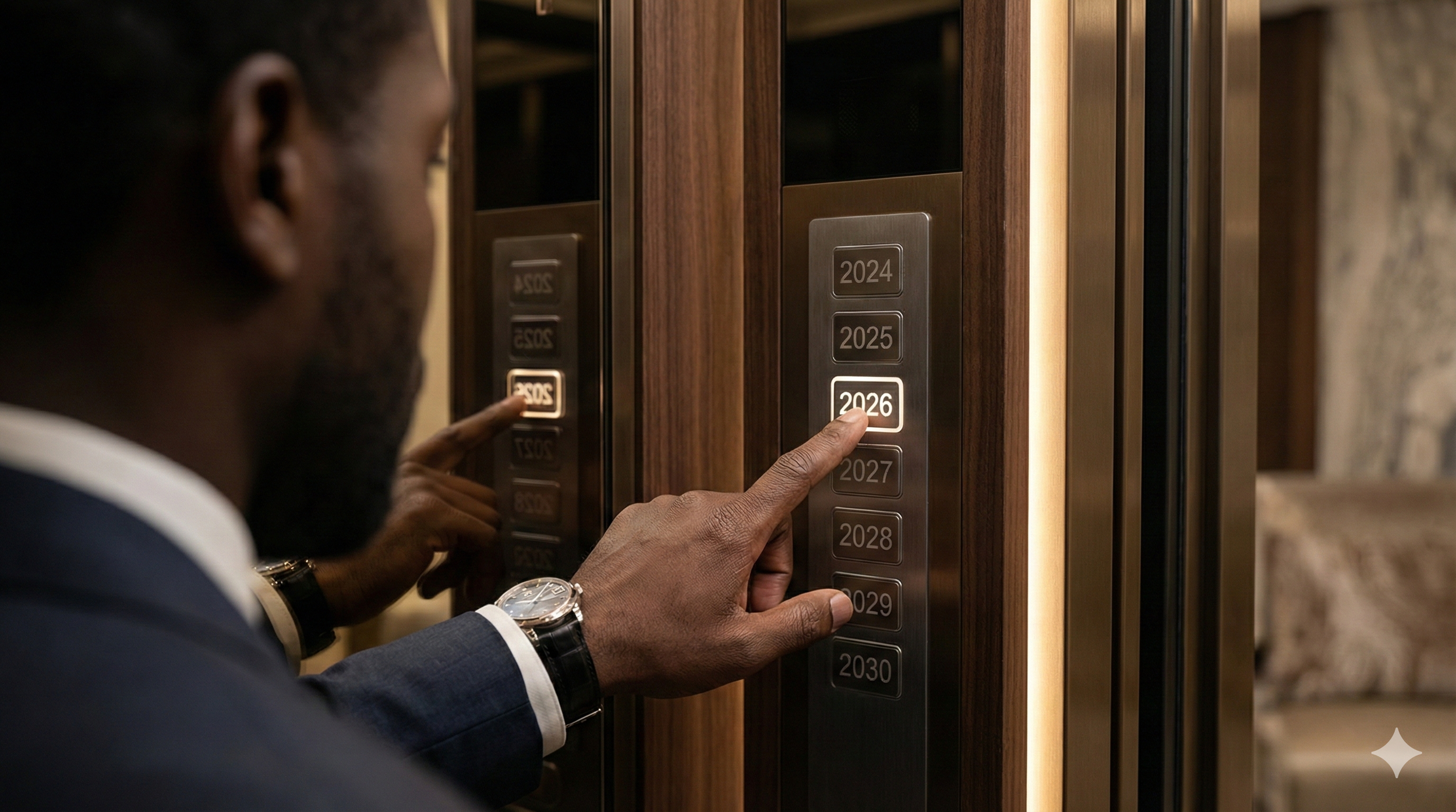
That question sits right at the centre of JA Group’s mission, building sustainable, socially responsible wealth strategies that prioritise your overall well-being, because true wealth is more than financial success. This is our year-end conversation with you: what 2025 rewarded, what 2026 is likely to demand, which geopolitical themes matter for wealth holders, and how to position with optimism that is disciplined, not distracted.
What 2025 really rewarded
1. Discipline beats drama
2025 reinforced an old truth: the loudest narratives rarely produce the most reliable outcomes. Investors who did well were not necessarily the ones who predicted every move; they were the ones who stayed aligned to a plan, rebalanced when needed, and avoided concentration risk that quietly turns into fragility. This is where a clear framework becomes more than “strategy,” it becomes a stress reducer. When decisions are pre-made, you don’t need to renegotiate your beliefs every time the news cycle changes.
2. Innovation mattered, but valuation and quality mattered more
AI remained a major tailwind, but 2025 also reminded us that innovation is not a blank cheque. A good theme can still be a poor investment at the wrong price, and a portfolio that is too concentrated, even in the “right” theme, can create avoidable volatility. We see 2026 pushing this further, less hype, more implementation, more scrutiny on cash flows, margins, and real adoption.
3. Real assets quietly reearned their place
Across many client conversations, we saw a return to assets that do something tangible, property that produces income, infrastructure linked to demand, and exposure to real-world inputs. This is not about being old-fashioned; it is about building a portfolio that can hold its shape across cycles, especially when geopolitics and policy remain unpredictable.
4. Well-being was not a soft concept; it was a performance edge
This is often overlooked, but it is core to our philosophy. People carrying complex responsibilities often experience decision fatigue, and that can directly affect investment outcomes. Well-being is not separate from wealth; it protects it.
2026, the year to stay optimistic, and behave like an adult about risk
Many 2026 outlooks point to a world that could feel more stable on the surface, moderate growth, easing inflation in some regions, and a shifting rates backdrop, but with significant geopolitical risk still present. So our posture for 2026 is constructive, but prepared.
The investment backdrop we are watching
Earnings and profitability will matter more than narratives.
Several investment outlooks are flagging a very practical pressure point: valuations can stay elevated only if profitability holds up, and some of the old tailwinds, cheap energy, frictionless supply chains, and ultra-low rates, are no longer guaranteed.
Currencies and cross-border exposure will separate outcomes.
Currency moves often matter more than people expect, especially for globally diversified families with assets, liabilities, and future spending in multiple jurisdictions. Some strategists are pointing to incentives for investors to reduce overweights in US dollar assets over time, and to anticipate further dollar weakness in 2026.
Energy may look oversupplied, but volatility risk is still real.
Reuters has framed 2026 as a year of the glut, with supply expected to exceed demand, yet geopolitical disruption can still create sharp swings and risk premiums.
The geopolitical issues that matter to investors in 2026
This is the higher-level conversation most investors deserve, not “how will this affect day-to-day spending,” but “how could this reprice portfolios, businesses, and cross-border structures?”
A more fragmented trade world
Trade policy uncertainty, tariffs, and tighter rules around strategic industries continue to shape corporate decision-making and capital flows. Many 2026 outlooks highlight trade tension as a macro headwind that can influence growth, margins, and market volatility.
What to watch
• Companies with fragile supply chains and limited pricing power
• Businesses dependent on cross-border inputs, especially technology, industrials, and specialised manufacturing
• Country and sector exposures that assume globalisation as usual
Energy, the paradox of glut and shock
Even in an oversupplied environment, energy remains a geopolitical asset class; price pressure from supply growth can coexist with disruption risk from conflict and sanctions.
What to watch
• Portfolio stress testing for energy spikes, even if the base case is softer prices
• Business resilience planning for transport, power, and input volatility
Critical minerals, export controls, new leverage points
Export restrictions on rare earths and related materials are becoming a strategic tool, with implications for defence, technology supply chains, and energy transition inputs.
What to watch
• Input cost shocks in industries you hold, or operate in
• Strategic opportunities in responsibly positioned resource exposure and supply chain resilience
• The premium markets may place on secure access to materials, logistics, and processing capacity
Elections, populism, and policy swings
2026 includes several European parliamentary elections, and analysts have noted that rising populism can complicate policy consistency and integration efforts.
What to watch
• Policy risk in taxation, regulation, and industrial strategy
• Shifts in ESG, energy transition, or foreign investment frameworks
• The need for jurisdictional diversification that is intentional, not incidental
What we would encourage you to do now, before the year fully turns
This is not about dramatic portfolio surgery. It is about entering 2026 with a designed plan, so you can stay calm while others become reactive.
1. Reconfirm your core, then earn the right to take thematic risk
A resilient core, diversified, liquid enough, and aligned to your real goals, is what makes everything else possible.
2. Reduce hidden concentration
Most concentration is not deliberate; it’s accidental. The same theme showing up across public equities, private deals, venture exposure, and property can create a single point of failure.
A simple question we like is, “If one theme disappoints, do we still have a good year?”
3. Run a 2026 stress test on three variables
• Interest rates and refinancing windows
• Currency swings, especially across Africa and global assets
• Liquidity, the ability to act without being forced
4. Upgrade governance, structure, and succession
We will say this plainly, structure is not admin, it is protection. Our promise is holistic wealth management that supports your broader life objectives, not just returns.
5, Protect your peace of mind, on purpose
Prioritising well-being can lead to better investment decisions and improved outcomes.
For many individuals, the biggest risk is not the market; it is decision fatigue. A sound plan reduces the emotional cost of staying invested.
The message we want you to carry into 2026
At JA Group, we are here to help you grow wealth, preserve it, and do it in a way that supports your life, not consumes it. Wealth should promote overall well-being and contribute to a better world.
So yes, we are optimistic about 2026. But our optimism is long-haul optimism. It is built on preparation, sound structure, diversification, and the calm confidence that comes from a plan you can live with, even when the world is loud, so here’s to a prosperous 2026
